Texel is the largest and most popular Wadden Island in the Netherlands, known for its wide sandy beaches along the west coast.
25 kilometres of beach: On the west side, more than 25 kilometres of uninterrupted white sandy beach stretch out – ideal for sunbathing, walking, kite flying or just relaxing.
Space & tranquillity: Even on summer days there’s plenty of room, thanks to the vast beaches and natural spread of visitors.
Cosy beach pavilions: Many beach entrances feature pavilions with sun terraces and sea views – perfect for lunch, dinner or a drink at sunset.
Family friendly: Shallow waters, playgrounds and lifeguards make the beach safe and welcoming for children.
Beach action:Texel is loved by kitesurfers, land sailors and horse riders – certain beach sections allow these activities.
Nature & peace: For those seeking quiet, secluded spots like Paal 9 and Paal 33 are perfect, close to natural areas like De Slufter and the Horsmeertjes.
Orientation with post numbers: The iconic beach posts help you navigate and mark each recognisable access point to the sea, dunes and nature – also popular with hikers and photographers.
Beach sections of Texel
Texel, the largest Wadden island, has more than 30 kilometres of unbroken white sandy beach along its entire west coast, from De Hors near Den Hoorn to the lighthouse at De Cocksdorp, with dunes such as the Westerduinen behind it; the numbered beach posts help you find your way.
Popular with: families, young people and holidaymakers in De Koog.
How busy: the busiest and liveliest beach on Texel, but thanks to its width there is plenty of room even on summer days; north of post 20 it already gets quieter.
Beach pavilions: most of the island's pavilions, such as Paal 19, Beachclub Texel, Zusje 19, Bries 20, Dikke Zeehond and Strandpaal 21.
Facilities: since 2026 the Texel lifeguard brigade has been on duty in the designated swimming zones from late June to 1 September.
Where to stay: from Camping Kogerstrand to Beach Park Texel, all within walking distance of the sea.
Dogs: from 1 March to 1 September only on a lead on the guarded beaches; elsewhere on the beach and outside that period they may run free.
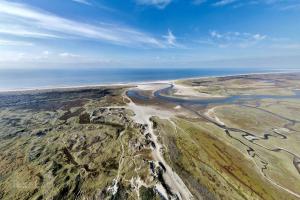
The beach at the Paal 33 access point, by the De Slufter nature reserve, where the sea pushes far inland through a large creek.
Popular with: nature lovers, birdwatchers and walkers.
How busy: quiet.
Beach pavilions:Kaap Noord.
Please note: the current is strong here; it is better to swim in the guarded zones.
Nature:De Slufter is at its most beautiful when the sea lavender flowers purple in summer; from the De Slufter viewpoint you can see the whole area.
Facilities & Safety on the Beach
The beaches of Texel are clean, well-maintained and equipped with all the conveniences for a relaxing day by the sea.
Daily cleaning: Every summer day, the beaches are cleaned so you can enjoy a fresh and tidy spot on the sand.
Showers: Showers are located throughout the beach to rinse off sand and seawater – ideal after swimming or playing.
Supervision & First Aid: During the summer season, lifeguards and beach patrols look after your safety. First aid stations are available at the busier entrances.
Comfort for Everyone
Whether you come to sunbathe, walk, play or enjoy watersports – the wide beaches of Texel offer peace, space and comfort for all ages.
Accessibility: Many beach entrances are suitable for prams and wheelchairs. Nearby parking areas make your beach visit even easier.
Food & drink nearby: Along the beach you'll find cosy pavilions and terraces for an ice cream, lunch, drink or dinner with a sea view.
Beach Supervision in Texel
At the main beaches of Texel, lifeguards ensure a safe day by the sea. This way, you can enjoy the sun, sea, and sand without worry.
When: Daily from 9:00 to 18:00 in July and August.
Qualified lifeguards: Trained in first aid and equipped with communication tools and rescue gear.
Lifeguard stations: Spread along the beach, clearly marked with flags and lookout points. These manned stations provide constant supervision.
Danger warnings: In case of strong currents or bad weather, you will be warned in time via flags.
Along the more than 25-kilometre-long coastline of Texel, eight lifeguard stations can be found:
Post Pole 12: Near the beach entrance at the Jan Ayeslag, a quiet and wide beach with plenty of space, popular among nature lovers and those seeking peace.
Post Pole 19: The southernmost lifeguard post of De Koog, located at beach entrance 19. A lively family beach with various amenities and direct connection to the village.
Post Pole 21: The northernmost lifeguard station of De Koog, located at beach entrance 21. A quieter stretch of beach, popular with walkers and those who prefer to avoid the crowds.
On the beaches of Texel, you will find various information signs and beach flags to inform and warn swimmers, water sports enthusiasts, and other beachgoers about the risks associated with swimming in the sea. Below you will find the meanings of these flags:
Red-Yellow Flag
Supervised beach zone. Lifeguards present Lifeguard station is open, and qualified lifeguards are monitoring the area within the lifeguard brigade's working area.
Red Flag
No swimming! Very dangerous sea Warns of serious danger and is raised when swimming conditions are very dangerous. Swimming, bathing, and other activities in or on the sea are strongly discouraged.
Yellow Flag
Be careful when swimming! Dangerous sea Warns of dangerous conditions in the sea. Extra caution and vigilance are required.
Orange Windsock
Be careful when swimming! Do not use floatation devices! Warns against the use of (inflatable) floatation devices due to offshore winds.
White Flag with Blue Question Mark
Child found! A child has been found who is missing their parents/guardians. Parents/guardians are asked to report to the lifeguard station.
Green Flag with White Cross
First Aid Post First aid personnel are present at the lifeguard station.
Black and White Chequered Flag
Water sports allowed In the zone between the two black and white chequered flags, water sports are allowed.
Pay attention to these flags and always follow the instructions of the lifeguards for your safety and the safety of others on the beach.
Dogs on the Beach
For many dogs, the beach is the ultimate place to run, play, and swim. Whether it’s a seaside walk in the fresh sea breeze or a cheerful game with a frisbee or ball – dogs clearly enjoy a day by the sea. But please note: on many beaches, seasonal rules apply regarding dogs.
On the guarded beaches on Texel are only leased dogs allowed during the period March 1 till September 1. More information on: the Dogmap of Texel
Outside these abovementioned time periods are dogs (both free-running and leashed) allowed on the beaches of Texel.
Please read the information boards carefully, which are at each beach (entrance).
Frequently Asked Questions about the Beach of Texel
At low tide there is a strong current towards the sea, than stay close to shore. In case you get pulled in by the current do not try to swim straight against it, but swim slanting to the shore with the current. Also be aware of floating devices like air-beds, boats or other swimming devices.
Do not get to close to the poles, piers or other obstacles.
Watch your children carefully, do not let them alone near the water. Are there recognition signs on the beach, tell it to your children.





 On the guarded